
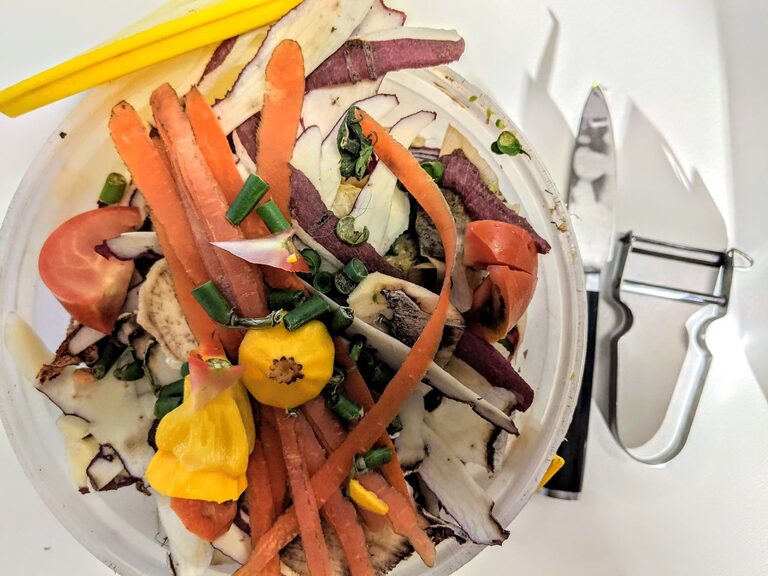
Reducing food waste at home is not only good for your wallet but also beneficial for the environment. Every year, millions of tons of food are discarded unnecessarily, contributing to greenhouse gas emissions and wasting the resources used to grow, transport, and process that food. Fortunately, with a few mindful habits, you can make a significant difference. This guide explores practical ways to reduce food waste in your household.
Why Reducing Food Waste Matters
Before diving into tips, it’s helpful to understand why reducing food waste is important. Food production requires substantial resources—water, energy, labor, and land. When food is wasted, these resources are lost, and the food often ends up in landfills, producing methane gas, a potent greenhouse gas.
By reducing waste, you:
– Save money by using food more efficiently.
– Contribute to environmental sustainability.
– Reduce the time and effort spent on grocery shopping and food preparation.
Smart Grocery Shopping
Plan Your Meals Ahead
One of the biggest causes of food waste is buying more than you need. Planning your meals for the week allows you to buy only what you will use. Consider making a shopping list based on your meal plan and stick to it to avoid impulse purchases.
Shop with a Full Stomach
Have you ever noticed you buy more snacks or treats when you’re hungry? Shopping after eating helps you make better choices and resist buying unnecessary items.
Buy Loose Produce When Possible
Buying loose fruits and vegetables instead of pre-packaged bags lets you purchase the exact amount you need, reducing the chance of spoilage.
Proper Food Storage
Understand Your Refrigerator
Keep your fridge organized so you can easily see what you have. Store perishable items like dairy and meat in the coldest parts, usually near the back.
Use Clear Containers
Transfer leftovers or opened products to clear containers so you remember what’s inside, preventing forgotten food that spoils.
Store Produce Properly
Some fruits and vegetables last longer when stored separately. For example, keep apples away from bananas, as the ethylene gas released by bananas speeds up ripening and spoilage.
Smart Cooking and Portion Control
Cook Only What You Need
Try to prepare meals with portions that suit the number of people eating. If you tend to make large batches, portion leftovers immediately for future meals.
Save Leftovers Creatively
Leftovers can be exciting meals. Use them for soups, stir-fries, or salads. Even slightly wilting vegetables can be transformed into smoothies or sauces.
Freeze Surplus Food
Don’t hesitate to freeze extra portions or ingredients before they spoil. Label them with dates so you can use them in time.
Use the Whole Food
Embrace “Ugly” Produce
Fruits and vegetables that look imperfect often taste just as good. Buying them reduces waste at the source and usually costs less.
Utilize Stems and Leaves
Broccoli stems, beet greens, and carrot tops can be cooked or added to soups and salads instead of being thrown away.
Save Bones and Scraps for Stock
Collect vegetable peelings, meat bones, and herb stems to make homemade stock, adding flavor to meals and reducing waste.
Keep Track and Learn
Monitor What You Throw Away
Keep a small bin or note of what food you discard. This helps identify patterns and adjust shopping or cooking habits.
Check Expiration Dates
Understand the difference between “best by,” “use by,” and “sell by” dates. Often, food is still safe after these dates if stored properly.
Composting: Turning Waste Into Resource
Even with effort, some food scraps are inevitable. Composting organic waste reduces landfill volume and provides nutrient-rich soil for gardening.
– Start a simple kitchen compost bin for fruit and vegetable scraps.
– Learn your local composting guidelines to avoid adding unsuitable items.
– Use the compost in your garden or potted plants.
Involve the Whole Family
Reducing food waste is easier when everyone participates. Encourage family members to:
– Help with meal planning.
– Learn proper storage and portion sizes.
– Suggest creative uses for leftovers.
Conclusion
Reducing food waste at home takes mindful habits but can be very rewarding. By planning thoughtfully, storing food properly, cooking wisely, and using all parts of your food, you can minimize waste. These small changes make a difference over time, saving money and contributing to a healthier planet. Start with one or two strategies and gradually build sustainable habits that work for your household.