
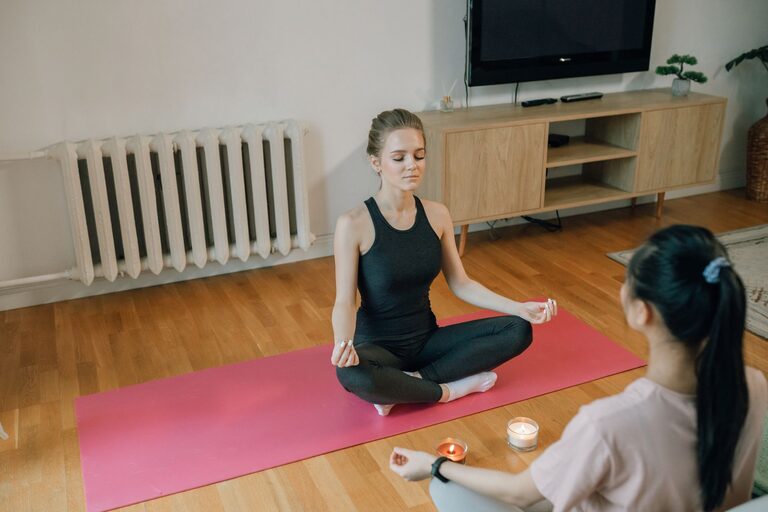
Taking mindful breathing breaks throughout your day can be a powerful way to reduce stress, increase focus, and improve overall well-being. If you’re new to mindfulness or unsure how to incorporate breathing exercises into your routine, this guide will provide easy and practical tips to get started.
What Is Mindful Breathing?
Mindful breathing is the practice of paying full, gentle attention to your breath as it flows in and out. Unlike regular breathing, which is often automatic and unnoticed, mindful breathing invites you to observe the sensation of each inhale and exhale. This simple focus helps anchor your mind in the present moment and can calm your nervous system.
Why Take Mindful Breathing Breaks?
In our fast-paced world, it’s easy to feel overwhelmed or distracted. Taking a few mindful breathing breaks during the day can:
– Reduce feelings of stress and anxiety
– Improve concentration and clarity
– Lower blood pressure and heart rate
– Enhance emotional resilience
– Promote a sense of calm and relaxation
Even a minute or two can make a noticeable difference.
Getting Started with Mindful Breathing Breaks
Here are some beginner-friendly tips to help you start your mindful breathing practice easily.
1. Find a Comfortable Spot
You don’t need a special space, but it helps to sit or stand somewhere quiet and comfortable. This could be your desk chair, a couch, or even a park bench. Make sure your posture is upright yet relaxed.
2. Set a Timer (Optional)
If you’re new to mindfulness, setting a timer for 1–5 minutes can be helpful. This keeps you from checking the clock and allows you to focus fully on the breathing.
3. Focus on Natural Breathing
Start by simply noticing your breath without trying to change it. Feel the air as it enters your nostrils, fills your lungs, and then flows back out.
4. Use a Simple Counting Technique
To keep your mind from wandering, try counting each inhale and exhale. For example, breathe in (count 1), breathe out (count 2), breathe in (count 3), and so forth, up to 10, then start again.
5. Notice Sensations Without Judgment
If your mind drifts to thoughts or distractions, gently bring your attention back to your breath. It’s normal for the mind to wander—kindness and patience are key.
Simple Mindful Breathing Exercises for Beginners
Here are a few easy exercises to try during your breaks.
Box Breathing
– Inhale slowly through your nose for a count of 4
– Hold your breath for a count of 4
– Exhale slowly through your mouth for a count of 4
– Hold your breath out for a count of 4
– Repeat several cycles
This balanced, rhythmic breathing can help quickly calm your nervous system.
4-7-8 Breathing
– Inhale quietly through your nose for a count of 4
– Hold your breath for a count of 7
– Exhale forcefully through your mouth for a count of 8
– Repeat 3–4 times
This technique is good for relaxation and easing tension.
Breath Awareness
– Close your eyes if comfortable
– Focus on the natural rise and fall of your chest or belly
– Feel the temperature difference of your breath entering and leaving your nostrils
– Remain present with these sensations for 1–2 minutes
This gentle practice can be done anywhere to reset your focus.
Tips to Make Mindful Breathing a Habit
Schedule Breaks into Your Day
Set reminders on your phone or calendar to pause and practice mindful breathing. Even three short breaks—morning, midday, and afternoon—can add up.
Combine with Other Activities
Try mindful breathing before meals, during short walks, or while waiting in line. It’s a simple way to integrate mindfulness without extra time commitment.
Use Guided Resources
Apps and audio recordings can guide you through breathing exercises if you prefer instruction or want variety.
Be Patient and Consistent
Building a new habit takes time. Start small, stay consistent, and celebrate your progress without pressure.
What to Expect as You Practice
Over time, mindful breathing breaks may feel easier and more natural. Many practitioners notice less reactivity to stress and improved mood. Remember that each session is a chance to connect with yourself and cultivate calm, even if the benefits seem subtle at first.
Conclusion
Mindful breathing breaks are an accessible and effective tool for managing everyday stress and boosting mental clarity. By dedicating just a few minutes several times a day to focused breath awareness, beginners can develop a simple practice that supports both mind and body wellness. Start today by finding a quiet spot, setting a timer, and simply observing your breath. With patience and regular practice, mindful breathing can become your go-to reset during busy days.