
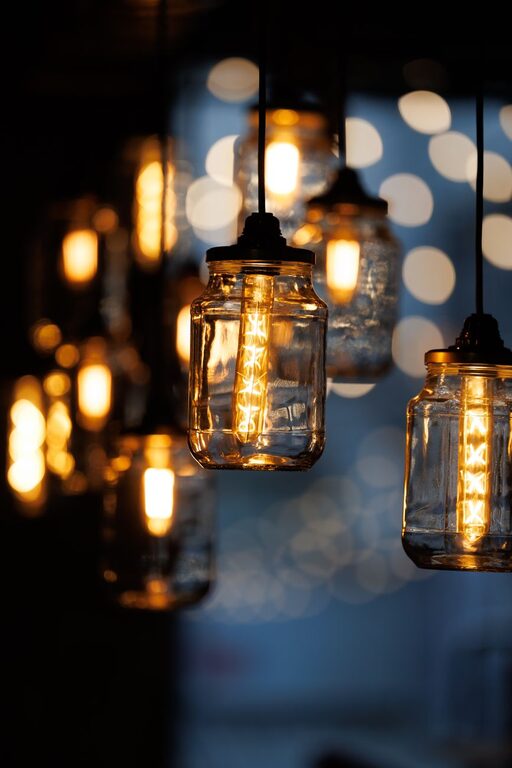
Creating a comfortable home environment involves many elements, and lighting plays a crucial role in shaping the look and feel of your living spaces. Proper lighting not only brightens rooms but also influences your mood, productivity, and overall well-being. If you’re wondering how to choose lighting that feels just right, this guide will walk you through key considerations to help you achieve cozy, functional, and inviting illumination in your home.
Why Comfortable Lighting Matters
Lighting that is too harsh or too dim can cause eye strain, headaches, and discomfort. On the other hand, well-chosen lighting can enhance relaxation, focus, and even support your daily routines. When selecting home lighting, comfort means creating a balance between brightness, color, and function that fits each room’s purpose and your personal preferences.
Understand Different Types of Lighting
To create a comfortable atmosphere, it helps to know the three main types of lighting:
1. Ambient Lighting
Also known as general lighting, ambient lighting provides overall illumination. Examples include ceiling fixtures, recessed lights, and wall-mounted lights. This layer sets the tone for the room and ensures basic visibility.
2. Task Lighting
Task lighting focuses on specific activities like reading, cooking, or working. Desk lamps, under-cabinet kitchen lights, and vanity lighting fall into this category. It should be bright enough to prevent eye strain but adjustable to suit your task.
3. Accent Lighting
Accent lighting highlights architectural features, artwork, or decorative elements. Spotlights and wall sconces add depth and create visual interest without being overpowering.
Tips for Choosing Comfortable Lighting
Consider the Room’s Purpose
Each room has different lighting needs. For instance:
– Living Room: Combine ambient lighting with task and accent layers for flexibility during reading, watching TV, or socializing.
– Kitchen: Bright task lighting is essential for cooking, supplemented by ambient light for overall clarity.
– Bedroom: Soft, warm lighting helps create a relaxing environment, with adjustable bedside lamps for reading.
– Home Office: Opt for bright but natural light to help maintain focus and reduce eye fatigue.
Choose the Right Color Temperature
Color temperature is measured in Kelvins (K) and influences the warmth or coolness of light:
– Warm Light (2700K–3000K): Creates a cozy, relaxing atmosphere, ideal for living rooms and bedrooms.
– Neutral Light (3500K–4100K): Balances warmth and coolness, suitable for kitchens and bathrooms.
– Cool Light (5000K–6500K): Mimics daylight, good for workspaces but may feel too harsh for relaxing areas.
Opt for Adjustable Lighting
Dimmers and smart lighting allow you to control brightness levels, which enhances comfort and saves energy. Adjust lighting based on time of day, activity, or mood.
Mind the Bulb Type and Brightness
– LED bulbs are energy-efficient, long-lasting, and available in various color temperatures.
– Lumens indicate brightness; for comfortable lighting, avoid bulbs that are too bright or too dim for the space.
– Use lower lumens in bedrooms to encourage relaxation and higher lumens in kitchens and work areas for clarity.
Avoid Glare and Harsh Shadows
Position lights so they don’t shine directly into eyes or create distracting shadows. Use shades, diffusers, or indirect lighting to soften the glow.
Layer Your Lighting
Combining multiple lighting sources in a room allows for flexibility and improves comfort. For example, use ceiling lights for ambient illumination, a floor lamp for reading, and wall sconces for ambiance.
Think About Style and Fixtures
Choose fixtures that complement your décor while also distributing light effectively. Materials like frosted glass and fabric shades gently diffuse light, enhancing comfort.
Use Natural Light When Possible
Maximize daylight by using sheer curtains and placing mirrors strategically. Natural light improves mood and reduces the need for artificial lighting during the day.
Final Thoughts
Selecting comfortable home lighting is an investment in your well-being and the aesthetic of your home. By considering the type of light, color temperature, brightness, and layering, you can create spaces that feel inviting and support your daily activities. Remember, comfort in lighting is personal, so take time to experiment and find what works best for you and your family.
With these tips, you’ll be well on your way to illuminating your home in a way that is both beautiful and comfortable.