
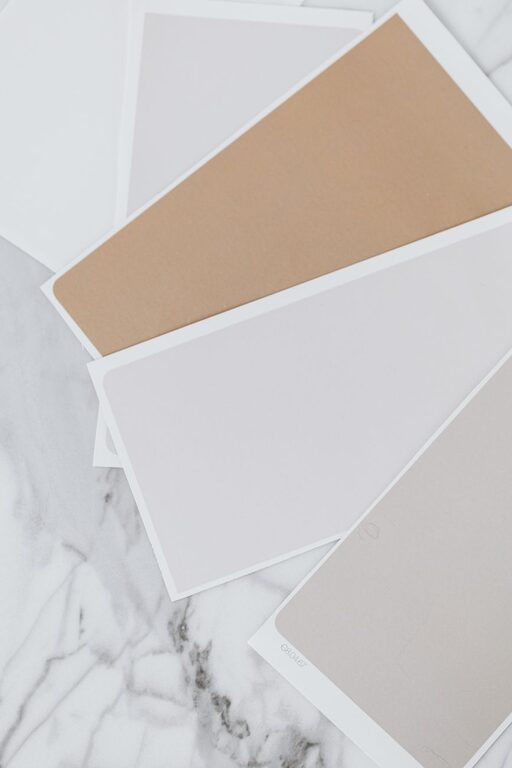
Creating a peaceful and relaxing atmosphere in your home often starts with the colors you choose. Calm colors can transform any space into a soothing retreat where you feel comfortable and at ease. But with so many shades and tones available, how do you choose the right calm colors that suit your style and space? In this post, we’ll explore practical tips to help you select calm colors that promote tranquility and harmony in your home.
Why Choose Calm Colors?
Calm colors are typically soft, muted shades that have a soothing effect on the mind. They help reduce stress, create a sense of balance, and make spaces feel welcoming. Examples include pastels, gentle earth tones, and cool hues like blues and greens. Choosing calm colors can especially benefit bedrooms, living rooms, bathrooms, or any space where relaxation is a priority.
Understand the Psychology of Colors
Before picking colors, it’s helpful to understand how different hues influence mood:
– Blues: Often associated with calmness and serenity, blues can help lower heart rates and promote relaxation.
– Greens: Symbolizing nature and renewal, greens offer a restorative, peaceful vibe.
– Soft Neutrals: Shades like beige, taupe, and light gray create warmth without overwhelming, making rooms feel cozy and calm.
– Lavenders and Soft Pinks: These gentle colors add subtle warmth and comfort without being too bold.
Avoid bright or highly saturated colors in rooms intended for relaxation, as they can be stimulating rather than calming.
Consider the Lighting in Your Space
Natural and artificial lighting greatly affect how colors appear:
– Natural Light: Colors often look truest in natural daylight. Consider the direction your windows face—north-facing rooms get cooler light, making colors appear cooler and more muted, while south-facing rooms have warmer light.
– Artificial Light: Warm bulbs can soften cool colors, while cool bulbs can make warm colors appear brighter. Test paint samples under different lighting conditions before committing.
Tips for Choosing Calm Colors
1. Start with a Neutral Base
Using a neutral color as your base creates a calm backdrop that can be easily accented with other soft tones. Whites, creams, and light grays work well for walls, ceilings, and larger surfaces.
2. Use Color Samples and Swatches
Paint small sections of your wall or place large swatches in the room. Observe how the color changes with different lighting throughout the day.
3. Limit the Color Palette
Stick to two or three main calm colors to avoid visual clutter. This helps create a unified and peaceful ambiance.
4. Incorporate Textures and Materials
Calm colors don’t have to be flat or boring. Adding texture through fabrics, rugs, or wall treatments adds depth and interest without disrupting tranquility.
5. Use Accent Colors Sparingly
If you want to add personality, choose calm accent colors like soft peach or light sage green, keeping them subtle and balanced.
6. Match Colors to Room Function
Choose colors that support the room’s purpose—for example, muted blues and greens in bedrooms to promote sleep, or soft beige and gray in living areas for calm socializing spaces.
Popular Calm Color Combinations
Soft Blue and Warm Gray
This pairing combines the serenity of blue with the warmth of gray, creating a balanced and inviting room.
Sage Green and Cream
Sage green brings a natural vibe while cream adds softness and lightness, perfect for kitchens or bathrooms.
Blush Pink and Light Taupe
A gentle and cozy combination that works well in bedrooms or reading nooks.
Final Considerations
– Test First: Always test paint colors before painting the entire room.
– Think Beyond Walls: Incorporate calm colors in furniture, curtains, and décor elements to enhance the serene feel.
– Personal Preference Matters: Choose colors that make you feel comfortable and peaceful, as your home should reflect your style and mood.
By thoughtfully selecting calm colors, you can create a home environment that helps you relax and recharge every day. Take your time exploring different shades, and enjoy the process of turning your space into a peaceful haven.